Explainers
Plain-English guides to how Victoria’s criminal justice and integrity systems actually work — sentencing, bail, IBAC, suppression orders and more.
Coronial Recommendations: Do They Actually Change Anything?
Victorian coroners hand down hundreds of recommendations each year. We examine what happens next — and why so many gather…
Read More »-
How Victoria Police releases official information — and how to verify it
How Victoria Police communicates official information through media conferences, statements and appeals — and how to tell a genuine police…
Read More » -

Mental health and policing in Victoria: what’s working and what isn’t
The mental-health and policing reform program in Victoria — what is delivering and what isn't.
Read More » -

Victoria’s standing rewards: how Crime Stoppers’ historic-case rewards actually work
A guide to how Crime Stoppers Victoria's historic-case standing-reward program operates and how the public can help.
Read More » -

Victoria’s homicide rate, and why it tells you less than you think
Headline counts of Victoria's homicide rate are usually noise. Here's how to read the official series properly.
Read More » -

Animal cruelty in Victoria: how the law works and how cases are investigated
The Prevention of Cruelty to Animals Act, the RSPCA Victoria inspectorate, the penalties and the recent prosecutions.
Read More » -
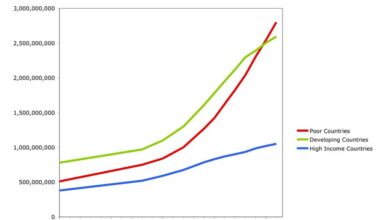
Postcode by postcode: where crime rose and fell in Victoria over the past year
A plain-English breakdown of which Victorian local-government areas saw crime rise and fall in the most recent year.
Read More » -

How many police does Victoria need? The numbers debate, in plain English
The recurring debate over Victorian police numbers, what the per-100k data actually shows and where the staffing pressures sit.
Read More » -

Vehicle impoundments in Victoria: the law, the costs and the rate
The Victorian vehicle-impoundment regime — when it applies, what it costs and how to recover a vehicle.
Read More »


